Your Ultimate Guide to Yacht Charter in Athens 2026: What American Travelers Need to Know Before Sailing the Greek Islands
There's a particular moment—somewhere around 2 a.m. on a Tuesday, inbox full, coffee cold—when the idea of swapping all of it for open Aegean water stops feeling like a fantasy and starts feeling like a plan. If you've been there, 2026 is your year to actually follow through. I've spent years sailing the Mediterranean, and Greece by water is genuinely its own category of travel experience. For Americans, the international logistics can look like a wall of complexity at first glance. It isn't, though. Break it down piece by piece, and it's manageable—more than manageable, actually. That's what this guide does.
Why Athens Is the Perfect Departure Point for a Greek Islands Yacht Charter in 2026
Athens gets sold as a history trip. And sure, the Acropolis is worth every tourist photo taken of it. But for sailors, Athens is something more useful: the most strategically positioned departure point in the Mediterranean. Planted right on the Saronic Gulf, it drops you into island-hopping range without burning a full day of transit just getting started. Direct flights from major US cities arrive at Athens International Airport (ATH), and if your timing is halfway decent, you can be standing on a dock at Alimos or Flisvos marina within an hour of collecting your bags.
The charter scene has genuinely leveled up. In 2026, fleets are newer, marina infrastructure is more capable, and the whole operation runs smoother than it did even a couple of years back. There's real momentum here—and that matters when you're planning a trip this far in advance.
Understanding Yacht Charter Options in Athens
Before the deck shoes get packed, you need to answer one foundational question: how do you actually want to sail? The Athens market serves every experience level and every budget range, which sounds ideal—and it is—but it also means you've got real choices to make before you start browsing boats.
Bareboat vs. Skippered vs. Crewed Charters
A bareboat charter is for the sailor who wants full command—vessel, itinerary, pace, all of it. Most budget-friendly option on the board, but it demands legitimate offshore skills. This isn't the trip to figure out what you don't know about sailing. If that description gives you any pause, it's not the right call.
A skippered charter hits a sweet spot that works especially well for American groups where experience levels vary. You're still involved—help with the sails, read the charts, be part of the process—but a local expert is at the helm. Someone who knows where the hidden coves are, can handle Med mooring without drama, and genuinely knows these waters. For families, or groups where one person sails and everyone else is curious, this option makes a lot of sense and takes a lot of pressure off.
Then there's the crewed charter—captain, chef, hostess, the full arrangement. You sip Assyrtiko on the bow while professionals handle literally everything else. Hard to argue against if budget isn't the limiting factor. It's a different kind of trip, but not a lesser one.
Types of Vessels Available
Boat choice shapes the whole character of the experience. Monohull sailboats are the purist's pick—better performance under sail, generally more affordable, and they handle the open Aegean with a responsiveness that catamarans can't quite match. Catamarans, though, have become the dominant choice for American families and larger groups heading out in 2026. The living space is genuinely impressive: wide deck areas, multiple separate cabins, a stability that keeps non-sailors comfortable even in a chop. The shallow draft is a real practical advantage too—you can anchor close to shore in spots where monohulls simply can't go.
Motor yachts round things out for anyone prioritizing speed and range over sail angles. You'll cover more water faster, pay more in fuel, and give up some of the sailing experience. Reasonable trade-off depending on what you're actually after.
How to Book a Yacht Charter in Athens From the United States
Booking from across the Atlantic is easier than it's ever been—but it still rewards people who do their homework first. Before you start browsing fleets, nail down your dates, your group size, and a realistic budget. International brokers exist and can be genuinely useful, but going directly through a reputable local operator often gets you sharper pricing and someone who actually answers the phone when something comes up.
You can browse full fleets, check live availability, and lock in a reliable yacht charter Athens without stepping away from your desk. But don't let that convenience lull you into waiting. Six to eight months out is the minimum lead time for July or August departures—and the best catamarans are gone well before that window closes.
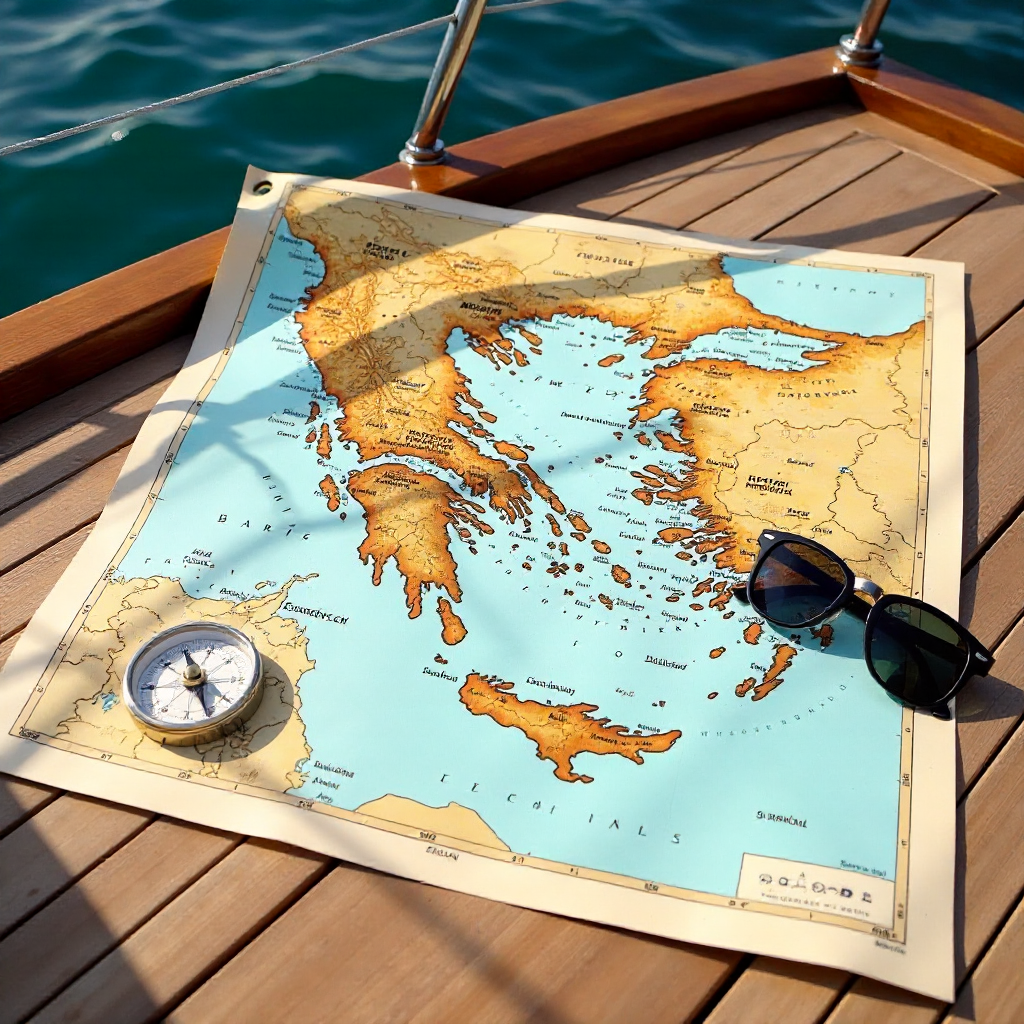
Best Greek Island Routes to Sail From Athens in 2026
Athens gives you access to several distinct island chains, each with its own character and its own demands. The right route comes down to how much time you have—and how honest you're willing to be about how ambitious you actually want to be.
The Saronic Gulf Circuit (3–5 Days)
Short on time, or sailing with kids who have opinions about long passages? The Saronic Gulf is your answer. Protected waters, short distances between stops, and islands that punch well above their size. Aegina for the pistachios—and I mean that seriously, they're exceptional there—Hydra for the genuinely surreal experience of a car-free island, Poros for pine-covered hillsides and a harbor that feels like a postcard. All of it within easy reach of the Athens marinas. Even experienced sailors who want a relaxed, low-stress week tend to leave this circuit satisfied.
Extended Cyclades Voyage (7–10 Days)
This is the one most Americans picture when someone says 'Greek islands.' Seven to ten days out into the Cyclades lets you actually explore—Mykonos, Paros, Naxos, Santorini—the full iconic run. The whitewashed villages, the light at sunset over the caldera, anchorages that look digitally enhanced but aren't. It's real, and it's worth the planning.
But you need to know going in: the Cyclades in July and August are Meltemi territory. These winds build fast, blow hard, and don't apologize. For experienced sailors, that's half the appeal—some of the best upwind passages in the Med. For everyone else, it's something to plan around carefully rather than discover mid-passage. Talk to your charter operator before committing to a specific route for those months. They'll know what's reasonable.
Essential Tips for American Travelers Sailing Greek Waters
Greece runs at its own pace on the water. Marina culture is relaxed, but there's still a right way to do things—and the locals absolutely notice when you don't. The biggest adjustment for most Americans is mooring style. Med mooring, stern-to, is the standard virtually everywhere in Greece. It's nothing like the alongside docking most of us grew up with back home. If you haven't practiced it, do so before you need to execute it with a full marina watching.
Documents, Licenses, and Entry Requirements
Valid US passport with at least six months remaining—non-negotiable, no exceptions. For 2026, keep a close eye on ETIAS (European Travel Information and Authorization System) requirements. It may require a quick online pre-authorization before you fly, conceptually similar to the Australian ETA. Not complicated, but also not something you want to discover at the departure gate.
On the credentials side: US sailing licenses—ASA 104 or the US Sailing equivalent—are generally recognized by Greek authorities. But Greece's Port Police specifically want to see an International Certificate of Competence (ICC). Sorting this out isn't a major ordeal, but do it before you land. Don't assume your domestic certifications will carry you through on their own. Sometimes they do. Sometimes they don't. That uncertainty isn't worth carrying into the trip.
Budgeting Your Athens Yacht Charter: What Americans Should Expect to Pay in 2026
The base charter rate is just the opening number. On a crewed yacht, expect to add an APA—Advance Provisioning Allowance—of roughly 20–30% on top of that. It covers fuel, provisions, and marina fees as you go. It's not a hidden charge; it's simply how crewed charters are structured. Whatever's unspent at the end of the trip comes back to you.
For bareboat or skippered charters, fuel and marina fees accrue as you use them. Greek municipal marina fees are, genuinely, one of the nicer surprises of sailing here—quite reasonable compared to equivalent docking in the US or the Caribbean. Don't let that pleasantness make you sloppy with the overall budget, though.
Two more line items worth building in: a gratuity of 10–15% for your skipper or crew—earned, not technically mandatory, but very much expected in practice—and the USD/Euro exchange rate, which has been volatile enough recently that it's worth monitoring for a few weeks before you wire any significant sum.
Common Mistakes to Avoid When Chartering a Yacht in Athens
Some mistakes I've watched repeat themselves so many times they've stopped surprising me. The biggest, by a clear margin, is booking late. In 2026, demand is at record levels. The prime catamarans are spoken for by January. If you're reading this in spring and thinking you'll sort it out in a few weeks—stop. Recalibrate now.
Second: over-packed itineraries. The Aegean is large. Trying to squeeze ten islands into seven days turns your sailing vacation into a motoring marathon—all transit, no time to actually inhabit any of the places you're supposedly visiting. Choose fewer stops. Linger. That's genuinely the point of sailing rather than flying between islands.
And third—don't second-guess your skipper or base manager when the Meltemi comes up. These aren't suggestions handed down to inconvenience you. When someone with real local knowledge says the route needs to change, listen. The wind doesn't negotiate with itineraries.
Conclusion
Casting off from Athens is, without much exaggeration, one of the better decisions available to you as a traveler. The logistics are accessible, the sailing grounds are world-class, and there's a quality to Greek light on open water that I haven't found replicated anywhere else. Do the prep work properly: understand your vessel options, pick a route that fits your actual time and energy, get your documents handled before you land. The 2026 season looks strong—good weather patterns, island life running at full energy, a charter market operating at a high level. Get your crew locked in, secure the boat, and go see the Greek islands the way they're meant to be seen—from the water, on your own schedule, at your own pace.