Luxury Yacht Charters in Cannes: Everything You Need to Know Before Booking Your Mediterranean Getaway in 2026
There's a moment — somewhere between your first glass of rosé on the sun deck and watching the Cannes coastline dissolve into the horizon — when it clicks. This is what a vacation is supposed to feel like. I've spent years working my way around the Mediterranean, and nothing quite lands the same way as seeing the French Riviera from the water. If you're an American traveler weighing a luxury yacht charter in Cannes for 2026, this is the guide I wish I'd had before I booked my first one.
Why Cannes Is the Smartest Base for a Luxury Yacht Charter in 2026
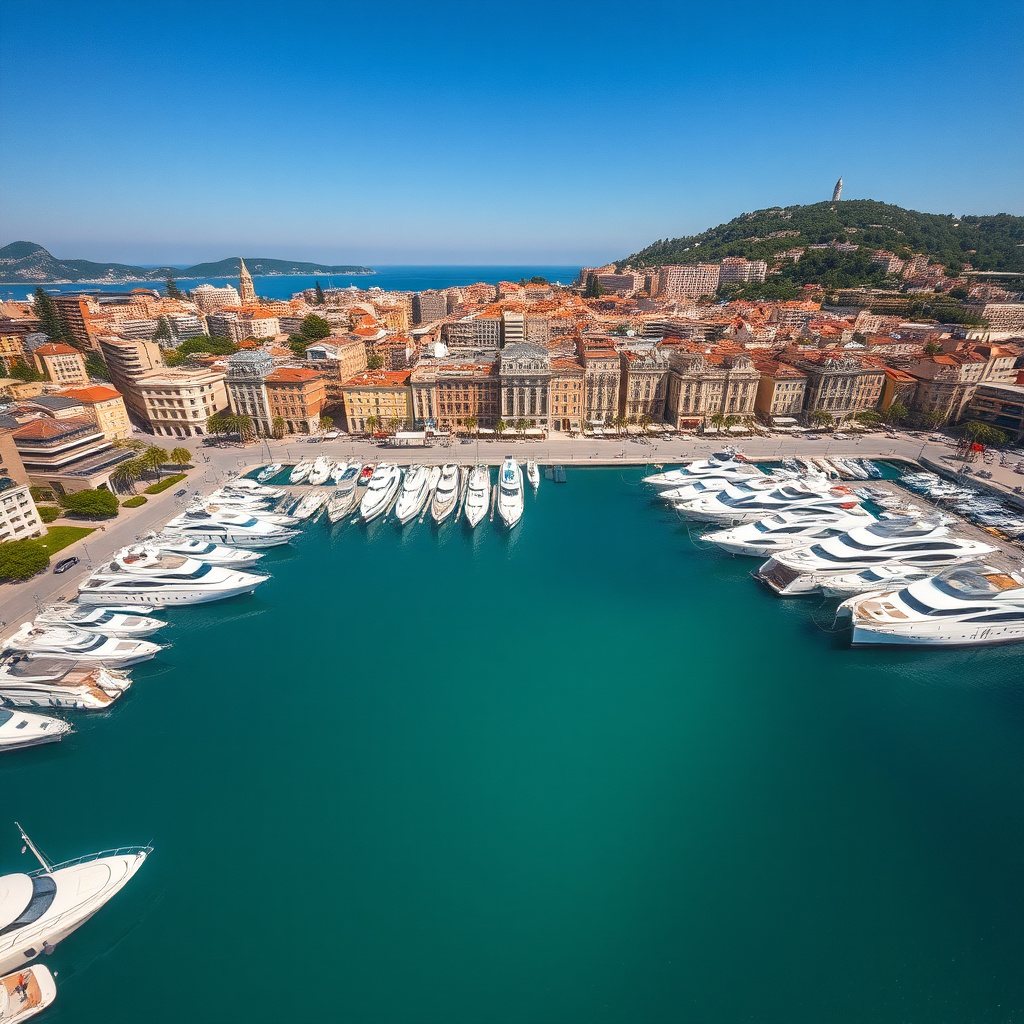
Cannes isn't just a film festival backdrop — though it's easy to forget that when you're watching the Croisette from the water. It's one of the best-positioned ports on the entire Mediterranean coast, sitting at the center of the French Riviera with quick access to some genuinely spectacular sailing waters. The Vieux Port, the old harbor, is a constant procession of gleaming hulls and polished teak. I've anchored in a lot of places. The energy there is different.
For American travelers, Cannes hits a sweet spot that's hard to replicate. Glamorous without tipping into overwhelming. Cosmopolitan, but still unmistakably French. And it's a natural jumping-off point for Monaco, Saint-Tropez, and the rugged Esterel coastline. The Lérins Islands — particularly Île Sainte-Marguerite — are a 15-minute sail from the harbor and feel like a completely different world from the Croisette's buzz. In 2026, with high-end Atlantic tourism still flowing strong into the Riviera, Cannes stays the most practical and rewarding base for a Mediterranean charter.
What to Expect from a Luxury Yacht Charter
First time chartering? The process can feel opaque until someone breaks it down. Here's the short version: you're renting a vessel — often with its crew — for a fixed period, with the freedom to build your own itinerary. Simple enough. But the details matter, and getting clear on them before you sign anything saves real headaches later.
Charters fall into two broad categories: crewed charters and bareboat charters. Within those, you're also choosing a vessel type — motor yachts, sailing yachts, and catamarans each deliver a noticeably different experience on the water.
Crewed vs. Bareboat Charters — Which One's Actually Right for You?
A crewed charter means the yacht comes with a professional captain and, depending on the size of the vessel, additional crew — a chef, deckhand, steward. For most American travelers coming to Cannes for the first time, this is the one I'd point you toward. Navigation, provisioning, docking — someone else handles all of it. You're there to enjoy the trip. It's less 'sailing adventure,' more floating boutique hotel. And honestly, that's not a bad thing.
A bareboat charter means you're taking the helm. You'll need to show sailing competence — typically a recognized certification like an RYA or ASA license — and you carry full responsibility for the vessel. It's the right call for experienced sailors who want total independence and know their way around European maritime regulations. For most leisure travelers, especially those without recent Mediterranean sailing experience, a crewed charter is the more practical and enjoyable option. No contest, really.
What's Included — and What'll Cost You Extra
Most luxury crewed charters in Cannes cover the vessel, captain and crew, basic provisioning (food and non-alcoholic drinks), fuel for standard cruising, and standard water toys — snorkeling gear, paddleboards, that kind of thing. Port fees are sometimes included, sometimes not. Always confirm upfront. Don't assume.
The add-ons that tend to inflate the final bill: premium wines and spirits, specialized water sports gear (jet skis, inflatables, diving equipment), special dietary provisioning, extended port stays, and custom excursions like private beach club access or guided tours ashore. Crew gratuity — typically 10–20% of the charter fee — is also expected and worth budgeting for separately from the start.
How to Pick the Right Yacht Charter Company in Cannes
This is where the research actually matters. The charter market in Cannes runs from small independent operators to large international brokers, and the quality gap between them can be significant. When I'm sizing up a charter company, I focus on a few things: the condition and range of their fleet, how upfront they are about pricing, their actual local knowledge of the Riviera, and what past clients say about the experience — not the marketing copy.
For American travelers planning a 2026 trip, I'd start with a platform that focuses specifically on the Cannes market. https://cannesyachsthire.com is a solid starting point — curated options across different vessel types and group sizes, with pricing structures that are easier to read than most of the larger international brokers. Genuine local expertise makes a real difference when it comes to itinerary planning, last-minute changes, and knowing which anchorages are actually worth the detour.
Best Times to Book a Yacht Charter in Cannes in 2026
Peak season runs June through August. Weather's reliable, the sea is calm, and the Riviera is fully alive. It's also the most expensive window and the most competitive for availability. If you're targeting July or August, book early in 2026 — the best vessels go months in advance, and waiting is a gamble you'll probably lose.
Shoulder season — May and September — is genuinely underrated. Temperatures are still great for swimming and sailing, the crowds thin out noticeably, and charter rates tend to be friendlier. September in particular delivers some of the best sailing conditions of the year: warm water, reliable winds, and far fewer boats competing for the same anchorages.
One thing worth flagging: the Cannes Film Festival (typically May) and the Monaco Grand Prix (also May) drive significant demand spikes across the region. If you want to be in Cannes during the festival, expect premium pricing and very limited availability — book early and go in with eyes open. If you'd rather skip the crowds entirely, plan around those dates.
Planning Your Itinerary — Top Destinations from Cannes
One of the real advantages of basing a charter in Cannes is the range you get. The French Riviera is compact enough that even a three-day charter gives you genuine variety. A full week opens up the entire coastline — from the Italian border all the way to Saint-Tropez and beyond.
Some of my favorite spots within easy reach: the Lérins Islands (15 minutes from the harbor — a perfect first morning), Antibes and its old town, the dramatic Esterel coastline with its red volcanic cliffs, Saint-Tropez for a glamorous overnight stop, and Monaco for those who want to see the principality from the water rather than a taxi window. Each destination has its own character. A good captain will help you sequence them sensibly given wind conditions and what your group actually wants.
Day Trips vs. Multi-Day Charters
If your schedule or budget doesn't stretch to a full multi-day charter, a half-day or full-day excursion from Cannes is still worth doing. You can reach the Lérins Islands, cruise the Esterel coast, or anchor in a quiet bay for lunch — all in a single day. Shorter charters are also a low-stakes way to test the waters if you've never chartered before. Literally.
That said, a multi-day charter — three to seven days, ideally — is where the experience really opens up. Waking up in a new location each morning, overnight stays at anchor or in port, the freedom to linger somewhere beautiful without watching the clock. That's the version of this trip that stays with people. If you can carve out the time, it's worth it.
Practical Tips for American Travelers Booking a Cannes Charter
A few logistics before you finalize anything. Cannes is easiest to reach via Nice Côte d'Azur Airport, about 30 minutes from the port by car or train. It's well-connected for transatlantic flights, usually through Paris or London. If you're arriving with a group, budget for a private transfer — it's far less painful than navigating public transport with luggage.
Currency is euros. Most charter companies take card payments for the main booking, but having some cash on hand for tips, small purchases ashore, and port-side markets is genuinely useful. Travel insurance covering trip cancellation and medical evacuation is strongly recommended — standard US health insurance typically doesn't cover international medical costs, and the peace of mind is worth the cost.
On tipping: European charter crew do expect gratuities. The standard range is 10–20% of the charter fee, paid in cash at the end of the trip. It's not optional in the way some travelers assume — the crew's income structure depends on it. And if you're planning an extended stay in France beyond 90 days, check current Schengen visa requirements for US passport holders well before your trip.
How Much Does a Luxury Yacht Charter in Cannes Cost in 2026?
I'm not going to throw out specific figures — pricing shifts with the market, and any number I give you now could be misleading by the time you're actually booking. What I can do is explain how the cost structure works, so you can read quotes intelligently.
The main variables: vessel size (larger yachts cost significantly more), charter duration (weekly rates are standard; shorter charters run at a premium per-day rate), season (peak summer commands the highest rates), and crew size (a full crew with a chef adds to the base cost, but also to the experience). Premium provisioning, water sports gear, and special excursions layer on top of all that.
Here's the framing I find most useful: when you split the cost of a crewed luxury charter across six to ten people, it often compares favorably to booking equivalent rooms at a five-star Riviera hotel — and the experience is categorically different. You're not just staying somewhere nice. You're moving through one of the most beautiful coastlines in the world on your own schedule, with a crew focused entirely on making it work. That's a different kind of value.
Get custom quotes from at least two or three operators. Be specific about group size, preferred dates, and must-have inclusions. Compare what's actually covered, not just the headline number. The right charter is out there — and 2026 is a good year to make it happen.